A body shop distinguishes poor preparation from incompatible paint by examining where the coating separated, reviewing the products and application sequence, and testing adhesion on affected and unaffected areas. Peeling at a contaminated or unsanded surface points towards preparation problems, while lifting, wrinkling or separation between otherwise clean layers may indicate chemical incompatibility or an exceeded recoat window. Appearance alone does not confirm the cause.
Evidence used during paint-failure diagnosis
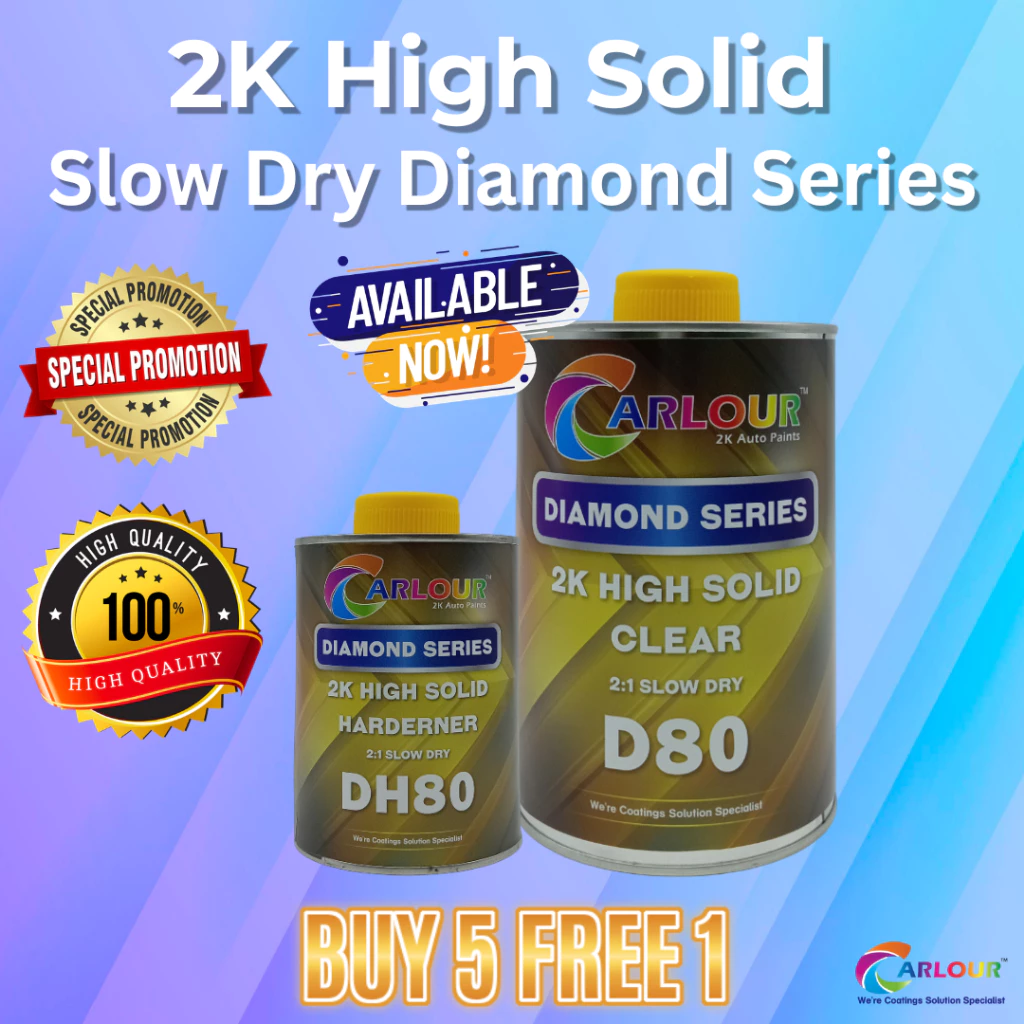
The technician should document whether failure occurred between the metal, primer, sealer, basecoat and clear coat. On a Honda City boot lid, for example, clear peeling cleanly from the colour layer may reflect poor adhesion, but the underlying reason could be inadequate cleaning, insufficient sanding, delayed clear application or an incompatible basecoat system. Solvent sensitivity tests, controlled sanding and adhesion checks can reveal unstable previous repairs hidden beneath the visible finish. Product records are also important when assessing 2K Auto Clear High Solid D80, including confirmation of its 2:1 mixing ratio, hardener, reducer if permitted, flash times and substrate approval. Compatibility depends on the complete refinishing system rather than the vehicle model. If the previous coating is unknown, a test area or suitable sealer may be required before refinishing. The shop should not simply cover loose clear with another coat; failed material must be removed to a sound, properly prepared layer before compatible products are applied under controlled conditions.